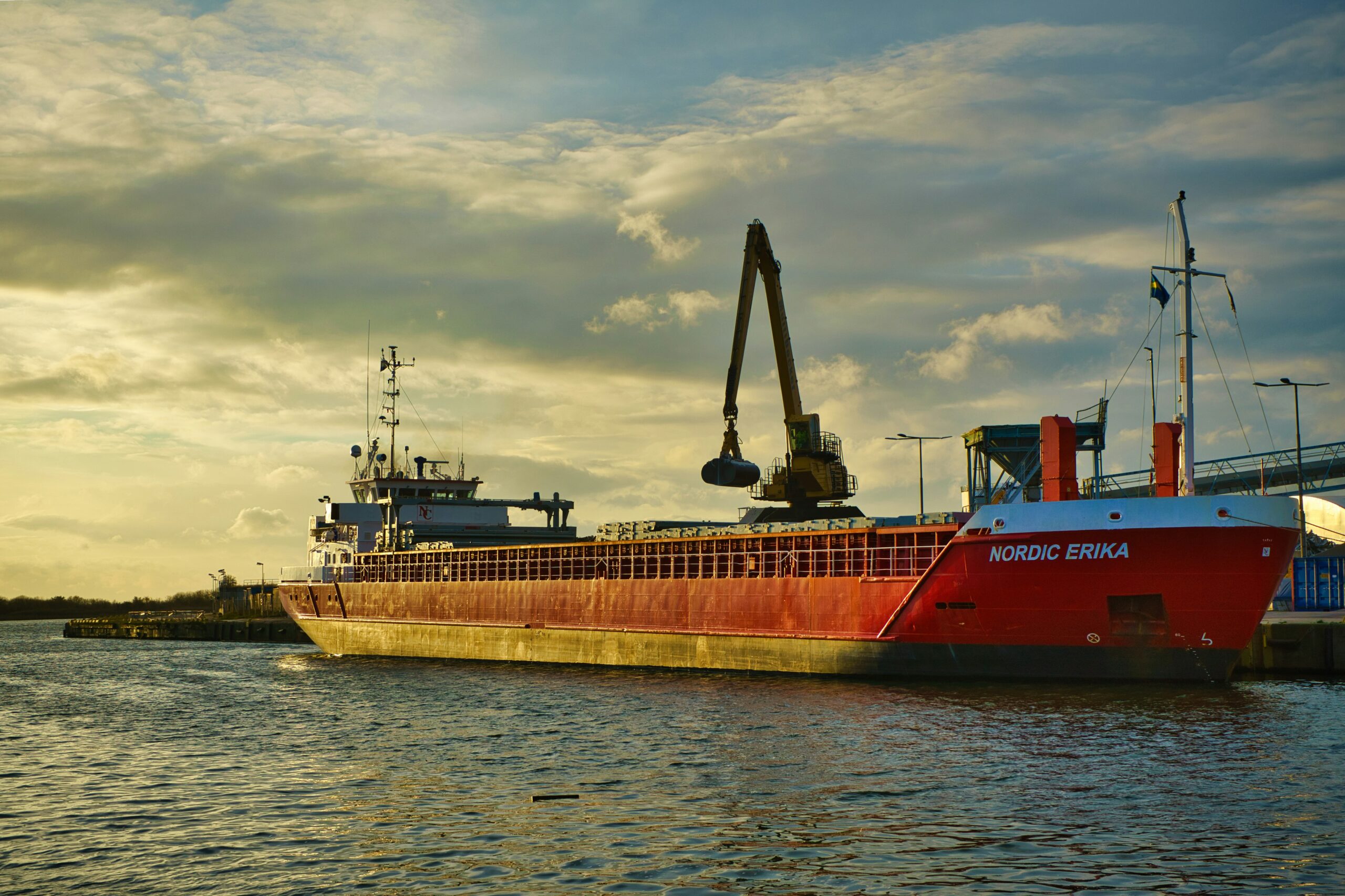
The transportation industry has entered a new era. Technology now plays a central role in every aspect of how people and goods move. From city streets to international shipping routes, smart solutions are transforming how companies operate and how travelers experience mobility. This shift isn’t just about machines or software—it’s about creating more efficient, responsive, and sustainable systems that meet the growing demands of modern life.
As digital innovation spreads, businesses that adapt are seeing real benefits. Costs go down. Safety improves. Customers stay informed. These changes open new doors for growth and competitiveness. In an industry that once relied heavily on manual labor and paper trails, the difference is striking. Transportation companies now depend on data, automation, and real-time tracking to stay ahead.
Technology Improves Fleet Management
Fleet management used to involve basic recordkeeping and gut decisions. Today, smart systems offer real-time data and insights. These tools help companies monitor vehicle health, plan efficient routes, and ensure drivers follow safety guidelines. Sensors inside trucks can detect issues ranging from tire pressure to engine problems before they escalate. This saves time and avoids costly breakdowns.
Software systems also help reduce fuel use. With smart routing, vehicles avoid traffic jams and take the fastest paths. Managers can view all their vehicles on a screen and adjust schedules with a few clicks. Instead of waiting for phone updates, they get instant reports on delivery status. This makes logistics more predictable and keeps customers happy.
Automation Enhances Urban Mobility
Smart traffic lights, automated toll booths, and predictive software are changing city travel. These tools help reduce congestion and improve travel times. Traffic lights now adjust their timing based on traffic flow. This reduces stop-and-go driving, which burns extra fuel and frustrates drivers. Smart toll systems let vehicles pass without stopping, cutting travel times and reducing emissions.
Cities are also using sensors and apps to better manage public transport. Buses and trains now arrive on time more often because systems can adjust routes in real-time. Riders get updates on their phones, so they aren’t left waiting in the rain. These changes encourage more people to use public transport, thereby reducing car use and pollution.
Real-Time Data Boosts Logistics Precision
In logistics, timing is everything. Businesses need to know where shipments are and when they’ll arrive. Smart tracking systems make this possible. Every package can be tracked in real time, whether it’s across town or across continents. This helps companies respond quickly to delays or changes. They can reroute shipments, adjust customer expectations, and avoid costly storage issues.
Data also helps with planning. By analyzing historical trends, companies can forecast demand and avoid stockouts. Smart warehouses use sensors to track items on shelves and alert staff when inventory levels are low. These systems don’t just react—they anticipate needs. This makes the supply chain more reliable and easier to manage.
Safety Measures Become Smarter and Stronger
Safety has always been a key concern in transportation. With smart technology, it’s easier to prevent accidents and protect both people and goods. Vehicles now come with tools that alert drivers when they drift off course or get too close to another car. Some systems can even brake automatically to avoid a crash. These features save lives and reduce insurance costs.
For commercial drivers, smart solutions track driving habits. They monitor speed, sharp turns, and long hours behind the wheel. If a driver shows risky behavior, managers can offer extra training or adjust schedules. This focus on safety protects employees and keeps vehicles on the road longer without issues.
Green Transportation Gets a Boost from Smart Tech
The push for eco-friendly transport is gaining momentum. Electric vehicles, better route planning, and reduced idling all help cut emissions. Smart systems support these efforts by making it easier to use cleaner options. Delivery companies, for example, can plan routes that avoid high-traffic zones. This reduces both fuel use and carbon output.
Electric vehicle fleets are also easier to manage now. Charging schedules can be automated to take advantage of low energy rates. Systems can predict how far a vehicle can go before needing a charge. This reduces downtime and helps drivers stay on schedule. Green transport isn’t just good for the planet—it’s becoming good business, too.
Customer Expectations Shape the Future
Smart transportation isn’t only about machines—it’s about people. Customers now expect fast service, accurate tracking, and clear communication. Smart systems help businesses meet these demands. From online booking to delivery updates, companies can keep customers in the loop. If there’s a delay, customers are notified immediately. This builds trust and leads to repeat business.
For passengers, smart tech makes travel smoother. Digital tickets, mobile apps, and real-time updates all improve the experience. Riders know when their bus will arrive, which train to take, or how long a delay will last. This helps people plan their day and reduces stress. Happy customers are more likely to return and often share their positive experiences with others.
Data Analysis Drives Smarter Decisions
Data is now a company’s most powerful asset. Transportation firms collect large volumes of data from GPS, sensors, and software platforms. The key is turning that data into action. Smart analytics tools help managers understand what’s working and what needs to change. This can mean adjusting routes, changing schedules, or updating vehicle maintenance plans.
These insights support better decision-making at every level. Long-term planning becomes easier when you can see trends and forecast future needs. Companies that invest in data tools gain a competitive edge. They’re able to move faster, adapt to change, and make decisions based on facts, not guesswork.
The Road Ahead for Smart Transportation
The transportation business is still evolving. Smart solutions will continue to play a bigger role. As more vehicles, roads, and cities get connected, the possibilities expand. Self-driving trucks, drone deliveries, and AI-powered planning systems are already being tested. These tools could bring even greater efficiency and safety to the industry.
Businesses that embrace these changes will thrive. Those who don’t may fall behind. Staying current with new technology is no longer optional—it’s essential. Transportation is becoming more intelligent, efficient, and responsive to both business needs and public demand. The journey has only just begun, but the direction is clear.